Clean MOT, Refused Licence: The Private-Hire Checks Hiding Behind Your Certificate
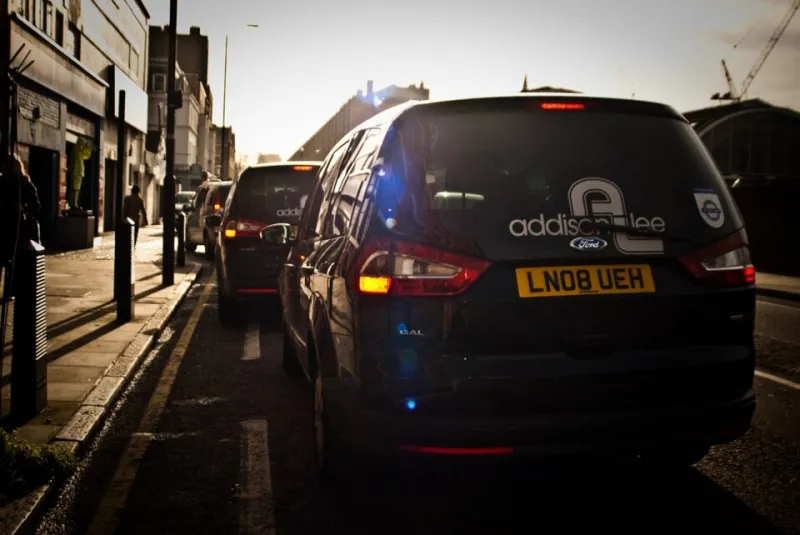
Photo: M W, CC BY 2.0, via Wikimedia Commons
You have the MOT certificate. Pass, no advisories, printer ink still warm. You book the council inspection feeling sorted. Then the licensing officer opens the rear door, presses a thumb into a worn seat bolster, points at a faded door sign, and tells you the car is not eligible. The MOT did its job. It just was not the job you thought it was.
The annual MOT is a minimum roadworthiness snapshot. Private-hire licensing is a different exam altogether — one built around public safety, presentation and your local authority's own rulebook. Confusing the two is one of the easiest ways to waste an inspection fee, a hire deposit, or a week of earnings.
What the MOT actually checks
The MOT is a legal floor, not a quality mark. It looks at brakes, lights, tyres, steering, suspension, seatbelts, emissions, structural corrosion and a handful of other safety items. The tester is checking whether the car is safe and legal on the road on that particular day. That is it.
It does not care that the driver's seat has a split seam. It does not check whether your fire extinguisher is in date, whether the meter has a valid calibration certificate, or whether the door signage matches your licence. It will not fail a car because the boot smells of last week's gym kit. And it has no opinion on the vehicle's age beyond the basics of its construction.
That is why a clean MOT tells you almost nothing about whether a private-hire vehicle will pass a council inspection. Different test, different checklist, different person making the call.
What the council adds to the picture
Licensing conditions vary by authority, so check your own council's published policy rather than relying on what a mate in the next town told you. That said, most inspections share a common spine:
- Interior condition. Ripped upholstery, sharp edges, loose trim, broken door handles, missing floor mats, stained headlining. Inspectors sit where passengers sit, and they notice what passengers notice.
- Signage and livery. Correct door signs, no unauthorised advertising, plates fitted properly, no peeling decals. Some councils are strict about exactly where and how signs are displayed.
- Equipment. Fire extinguisher (in date and mounted), first aid kit, CCTV where required, functioning meter or app, card payment kit, no-smoking signage.
- Bodywork and glass. Dents with sharp edges, rust, mismatched panels, poor accident repairs, windscreen chips in the driver's line of sight, tint levels.
- Cleanliness. A car that looks neglected fails the presentation test even if every mechanical item is perfect.
- Documentation. V5C, insurance, MOT, meter calibration certificate, evidence of vehicle age and emissions standard, and sometimes mileage records.
- Age and emissions limits. Many councils set a maximum vehicle age and a minimum Euro emissions standard. An eleven-year-old car with a fresh MOT can still be ineligible.
None of this appears on your MOT certificate. All of it can stop you working.
The pre-inspection checklist worth actually using
Give yourself a clear week between the MOT and the council inspection. Do not book them on the same day and hope for the best.
- Clean the car inside and out, including the boot, door shuts and under the seats.
- Check every seatbelt retracts, buckles cleanly and shows no fraying.
- Confirm the fire extinguisher is in date, sealed and properly mounted.
- Open the first aid kit and check it is complete and in date.
- Test the CCTV if your council requires it — recording, playback and correct signage.
- Check the meter calibration certificate is valid and the app is up to date if you use one.
- Inspect door signs and plates for damage, fading or outdated details.
- Test every bulb, including interior lights and the boot light.
- Check tyre tread, pressures and the spare.
- Look for sharp edges, loose trim and rust on bodywork.
- Check windscreen chips, wipers and washer fluid.
- Assemble a document folder: V5C, insurance, MOT, calibration certificate, age evidence.
- Re-read the council's conditions the week before. They change, and old advice circulates quickly.
If you fail — and how to push back properly
A failed inspection is not the end of the world, but it is a moment to be deliberate. Get the failure sheet in writing, with each item listed and the specific condition it breaches. Ask what the re-inspection fee is, how soon you can return, and whether minor items can be verified by photo.
Fix the obvious things first. If you genuinely believe a failure is wrong — say an inspector has treated a cosmetic mark as structural damage, or applied a newer policy to a vehicle already licensed under older rules — ask for the licensing manager's review in writing. Quote the condition number, attach dated photos, and keep it factual. Arguing at the counter rarely helps. A clear written challenge often does.
The hire-car wrinkle
If you are hiring a vehicle for private-hire work, do not sign the agreement before you have seen its current compliance paperwork. A hire firm saying "it has an MOT and it's ready" is not the same as saying it will pass your council's inspection. Ask for the last inspection sheet and check the vehicle is licensed for the work you intend to do. If the firm will not show you, walk away. There are plenty of cars, and only one of you.
The MOT proves the car is legal to be on the road. The council inspection proves it is fit to carry paying passengers under your licence. Prepare for both, in that order, and you will spend far less time explaining yourself to a licensing officer.