The Postcode Penalty: Why an Ex-Private-Hire Car’s Value Changes at the Council Line
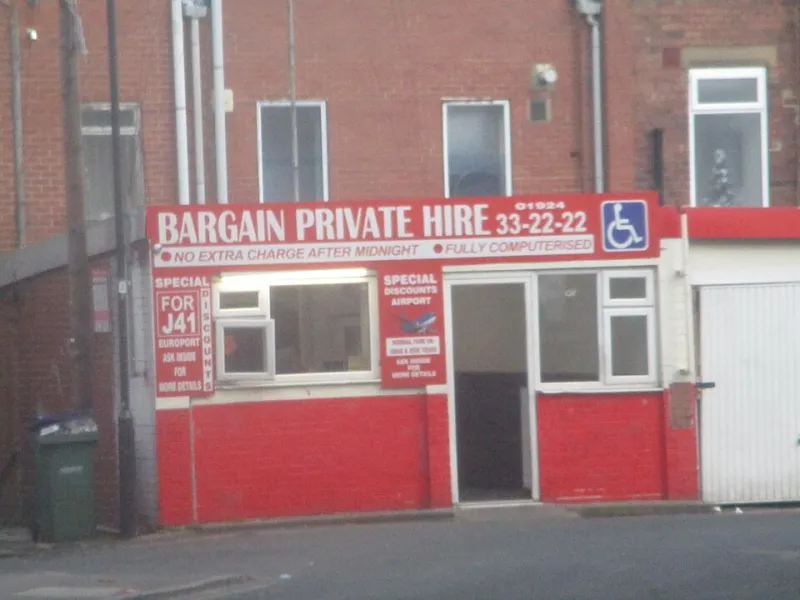
Photo: Mtaylor848, CC BY-SA 4.0, via Wikimedia Commons
A used car is usually priced on metal, mileage and history. An ex-private-hire car adds a fourth column to that spreadsheet: licensing eligibility. In 2026 there is still no single national rulebook for private-hire vehicle standards in England, which means a car’s usefulness — and therefore its value — can change sharply when you cross a council boundary.
That is the postcode penalty in a nutshell. A vehicle that is perfectly acceptable to one licensing authority can be too old, too polluting or too scruffy for another. If you are buying an ex-private-hire car, you are not just buying transport. You are buying a chance to satisfy a local licensing team you may never have spoken to.
The car isn’t the asset — the licence is
Private-hire vehicles are licensed by local councils, and each council sets its own vehicle policy. Some are relaxed about age but strict on emissions. Some want annual inspections once a car passes a certain birthday. Others have condition standards that go well beyond the MOT, covering bodywork, warning lights, window tints and general presentation.
The result is a local buyer pool. A car that is eligible in a town with tight age limits may appeal to very few drivers there, but could be in demand in a neighbouring authority with looser rules. Conversely, a car that has been happily plated in one borough for years may be worthless to a driver two junctions down the motorway.
That is why two identical cars — same model, same mileage, same service history — can sit on forecourts at very different prices. The difference is not always paint or paperwork. Sometimes it is the council logo on the plate.
Age limits are the first filter
Many councils set a maximum age at which a vehicle can first be licensed, often somewhere between five and ten years. Some allow older vehicles if they pass stricter inspections. Some refuse them outright.
A car that is eight years old might be fine in one area and past its sell-by date in another. Check the first registration date on the V5C, not the model year on the advert. Then check the current policy of the council where you actually intend to plate the car. Policies get reviewed, so a rule that was true last year may not be true today.
If a seller says the car will plate anywhere, treat that as sales patter until you have seen the relevant council’s written policy. A friendly licensing officer is worth more than a confident forecourt promise.
Emissions and condition rules can catch you out
Age is only the headline. Emission standards are the next hurdle. Some councils require newer Euro standards for diesel or petrol vehicles, and the exact cut-off varies. A car can be clean enough for one authority and too dirty for another, even though both are in the same county.
Condition standards matter too. A car can pass an MOT and still fail a private-hire licensing inspection because of a cracked bumper, a tinted window, an engine management light or a scuffed interior. Councils are checking whether the vehicle is suitable to carry paying passengers, not just whether it is roadworthy.
Before buying, ask the council’s licensing team what they look for at inspection. Better still, ask whether they offer a pre-licensing check. Some do. A small fee now can save you from buying a car that will never get a plate.
The postcode premium — and the postcode trap
A car already licensed in a busy area may carry a premium because drivers there know it can be plated locally. That premium is real only if the buyer can actually use it. Vehicle licences are not transferable like a tax disc, and the rules that allowed the car to be plated for the previous owner may not apply to you or your operating setup.
There is also a trap on the other side. A cheap ex-private-hire car from a council with generous age limits might look like a bargain until you try to plate it where you actually work. If that council wants Euro 6 diesels and the car is older, the saving disappears.
This is why the same vehicle can be worth £3,000 in one postcode and £5,000 in another — not because the metal changed, but because the permission did. Buyers pay for eligibility, and eligibility is local.
A five-minute check before you hand over money
Start with the council’s private-hire licensing page. Look for the vehicle policy, the age limit, the emission standard and the inspection requirements. Check the date the policy was published or last updated. If it is under review, assume the rules could change.
Then ring the licensing team. Ask three questions: what is the maximum age at first licensing, what emission standard do you require, and would you accept this specific vehicle if I bought it? Get the answers in writing if you can. Do not rely on a seller’s interpretation of a policy they may have read in a hurry.
Finally, check the car’s paperwork as carefully as you would for any used purchase. V5C, MOT history, service records and a proper inspection all still matter. The council plate is an extra gate, not a replacement for the usual checks.
What it means for resale
If you buy an ex-private-hire car and later move area, or if your council tightens its rules, the car’s value can fall even if nothing mechanical has changed. That is not a reason to avoid these cars altogether. It is a reason to buy for use rather than speculation, and to avoid paying a premium for a plate you cannot use.
The private-hire market rewards drivers who read the local rulebook. At Crystal Cars, the straight-talking advice is simple: check the council before you check the car. The metal may be the same on both sides of the border, but the value rarely is.