When the Meter Stops but the Bills Don’t: A Private-Hire Driver’s Guide to Hired-Car Breakdowns
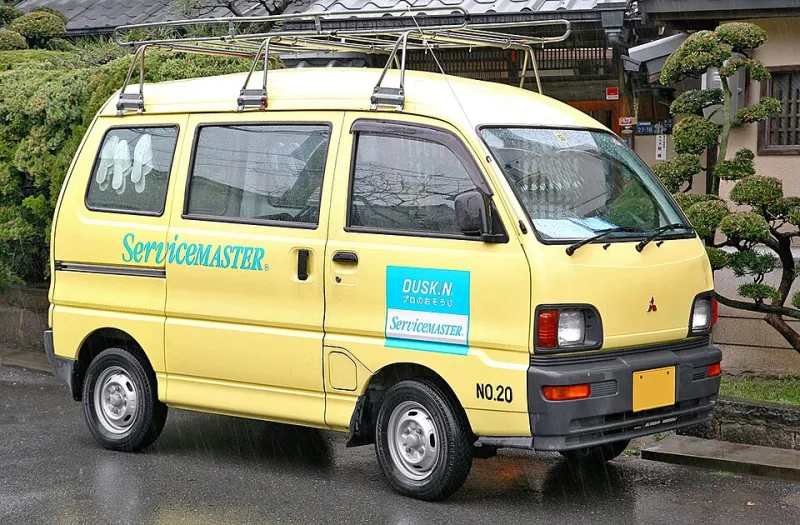
Photo: Tennen-Gas, CC BY-SA 3.0, via Wikimedia Commons
There are few worse feelings in this job than watching a hired private-hire car give up halfway through a shift. One minute you’re on a booking, the next you’re pulled over with a warning light, a customer in the back and a hire company phone line that seems designed to keep you on hold until sunrise.
The immediate question is usually “how do I get moving again?” The bigger question — the one that decides whether the night costs you £40 or £400 — is “who pays for this?” The answer is rarely as simple as the hire firm’s cheerful “don’t worry, we’ll sort it” at handover.
The three bills hiding inside a breakdown
A mid-shift failure usually creates three separate costs. Keep them separate in your head, because they are often covered — or not covered — by different bits of paperwork.
First is recovery and repair. Getting the car off the road, diagnosing the fault and fixing it may sit with the hire company, but that depends on the agreement. Some firms include breakdown cover; others expect you to call a number on a card and pay the callout upfront, then claim it back. Some have limits on how far they will recover you or how many callouts you get.
Second is the replacement car. A replacement is not automatically yours just because the hired car has failed. The agreement may promise a “similar vehicle subject to availability”, which sounds reassuring until it’s 11pm on a Saturday and the only thing available is a van with a dodgy heater. More importantly, the replacement must be properly licensed and insured for private-hire work. A courtesy car that is fine for social driving may not be fine for hire-and-reward use.
Third is lost earnings. This is the one drivers ask about most and get paid for least often. Unless the hire agreement specifically includes a downtime credit or loss-of-earnings provision, you are probably carrying that risk yourself. That is not a reason to panic — it is a reason to read the agreement before you need it.
Read the breakdown clause before the breakdown
Most drivers skim the hire agreement because they are keen to get on the road. The breakdown clause is the one section worth slowing down for. Look for four things.
Who do you call first? Some firms want you to ring their office; others want you to ring the recovery provider directly. Calling the wrong one can invalidate a claim or leave you waiting longer.
Who authorises repairs? If you let a local garage start work without approval, you may end up arguing about the bill. Get the hire firm’s instructions in writing if you can — even a text message is better than a verbal “go ahead”.
What does a replacement actually mean? Ask whether it will be licensed for private hire, whether it will be insured for hire and reward, and whether there is a daily charge or excess. Also ask what happens if no replacement is available. “Subject to availability” is not a promise.
Is there any downtime credit? Some firms offer a credit against future hire if the car is off the road through no fault of yours. It may not cover your lost fares, but it takes the edge off the weekly rent.
The checks to make before you sign
A few minutes at handover can save you hours of grief later. Before you take the keys, confirm the car has a current MOT, a private-hire licence and plates where required, and insurance that covers hire and reward. Check the breakdown cover is active and note the policy or membership number. Ask where the recovery number is kept and put it in your phone.
Walk around the car and photograph existing damage, including the tyres, wheels and windscreen. Check the dashboard for warning lights before you drive away. If there is a spare wheel, jack or tyre inflator, make sure it is actually there. Ask when the car was last serviced and whether there are any known faults. A hire firm that gets shirty about basic questions is telling you something useful.
Also ask what happens if the car fails outside office hours. A 24-hour recovery line is only useful if someone answers it. Test the number before you need it — a quick call to confirm it connects is not a waste of time.
The night it goes wrong: a step-by-step plan
If the car fails mid-shift, start with safety. Pull over somewhere legal and safe if you can, switch on hazard lights and get yourself and any passengers away from traffic. If anyone is injured or you are in a dangerous position, call 999 first. Everything else can wait.
Next, look after the customer. If you are on a booking, tell your operator what has happened and follow their procedure. Do not simply abandon a passenger at the roadside without making sure they have a safe way onward. The operator may arrange another car; if not, you may need to help them book a taxi or minicab. Keep a record of what you arranged and any cost.
Then call the hire firm or recovery line. Give the registration, location, fault symptoms and your hire agreement number. Ask for a reference number and note the time of the call. If recovery is arranged, ask where the car is being taken and how you will get home or to a replacement vehicle. Do not agree to an unauthorised recovery or repair without checking the agreement.
Photograph everything: the dashboard, warning lights, the car’s position, any damage, and the recovery truck if one turns up. Keep fuel receipts, parking tickets and any taxi fares you pay because of the breakdown. If you have to pay for recovery upfront, get a VAT receipt and confirmation that the cost is refundable.
Finally, put the claim in writing. Email the hire firm the same night or the next morning with the timeline, reference numbers and receipts. Ask them to confirm in writing whether they will provide a replacement, cover the recovery and reimburse any agreed costs. A paper trail is boring until it is the only thing standing between you and a bill you should not be paying.
The bottom line
A hired private-hire car breaking down is bad luck. Being left to pay for it because you did not check the small print is avoidable. Before you sign, confirm recovery, replacement and insurance in writing. On the night, stay safe, protect the passenger, document everything and follow the agreed procedure. And remember: a cheerful handover is not a contract. The clause that matters is the one nobody reads until the car is on a tow truck.