The Repaired Write-Off: How to Judge a Cat N Car Without Getting Burned in 2026
Buying a used car is already a game of detective work. Add an insurance write-off to the history and you've got a second layer of sleuthing — plus a discount that can look either generous or suspicious, depending on who's selling. In 2026, Cat N cars are everywhere online, often priced temptingly below the clean-history equivalent. The question isn't whether they're all bad. It's whether the specific car in front of you has been put back together properly, and whether the saving is real.
What Cat N and Cat S actually mean in 2026
Cat N stands for non-structural write-off. The insurer decided the car wasn't worth repairing to their standard, but the damage didn't twist the shell or the main structural bits. Cat S is structural — the insurer classified it as a write-off because the repair involved the chassis, crumple zones or other load-bearing areas. Both categories replaced older names back in 2017: Cat D became Cat N, Cat C became Cat S. That bit of history matters because you'll still see older adverts and dealers using the old language.
Don't let the letters hypnotise you. A Cat N can have had a light bump, a stolen-recovery claim, flood damage or cosmetic scrapes. A Cat S can be a perfectly sound car after a proper jig and weld — or a patch-up that looks fine until the next MOT. The category tells you why the insurer walked away. It doesn't tell you how well someone else put it back together.
Why insurers and future buyers care
First, your insurer may not want to know. Some will cover a Cat N or Cat S car, some won't, and some will only offer third-party cover. Get a quote using the registration before you commit. If the premium wipes out the saving, the whole exercise is pointless. Second, future buyers will care when you sell. A written-off history follows the car, and it will depress the resale value. You might save £2,000 today and lose £2,000 when you sell — or discover nobody wants it at any price. That's the gamble. It's not automatically a bad one, but it needs to be priced in.
The repair file: what evidence actually counts
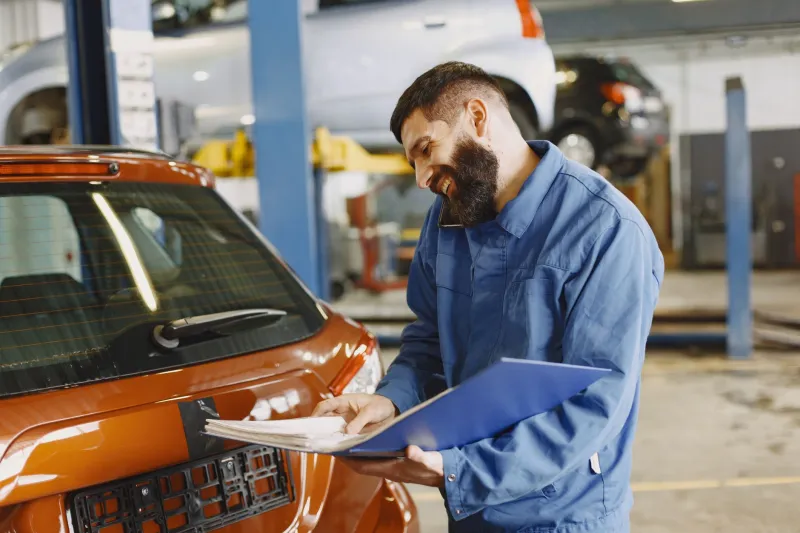
Ask for the paperwork before you ask for the keys. A proper repair should come with invoices for parts and labour, before-and-after photos, and — for a Cat S — evidence of a structural repair, such as a geometry report or alignment printout. Receipts for second-hand panels are fine if they're honest, but a folder of blurry photos and a handwritten 'all done' note isn't evidence.
Check the V5C, run an HPI-style history check, and make sure there's no outstanding finance. A car can be a write-off and still have a loan attached to it. That's a headache you don't need. If the seller gets twitchy about a history check, that tells you something. If they've already got one and are happy to share it, that tells you something else.
How to spot a rough repair before the test drive
Do the walk-around in daylight. Look down the sides of the car for mismatched paint, uneven panel gaps, overspray on rubber seals and trim, and fresh underseal hiding who-knows-what. Open and close every door, the bonnet and the boot. They should shut with a clean thunk, not a slam and a prayer. Check the boot floor and spare wheel well for creases, fresh seam sealer or wrinkled metal. Under the bonnet, look for new bolts, mismatched fixings and wiring that's been spliced rather than repaired.
Inside, check that airbags are present and that the warning light does its proper self-test. If the car has had a serious knock, airbag replacement should be in the file. On the test drive, find a quiet road and listen for knocks, feel for pulling through the steering wheel and check tyre wear. Uneven wear can point to alignment problems that a quick repair didn't fix. A car that tracks straight and stops cleanly is a better bet than one that merely looks shiny.
The insurance question you must ask before you buy
It's boring, but it's the difference between a bargain and a budget blowout. Phone your insurer or run a quote with the registration and the write-off disclosed. Some mainstream insurers will decline a Cat N outright; others will cover it but load the premium. If the annual cost jumps by several hundred pounds, your 'cheap' car just got expensive. Do this before you hand over a deposit, not after.
Questions that separate a sensible risk from a false economy
Ask: What was the original damage? Who repaired it? Can I see the invoices and photos? Has it been inspected independently since? Is the Cat N marker on the record, and does the price reflect it? What's the insurance quote like? Would you put your own family in it? That last one is less ridiculous than it sounds. A seller who's happy to talk openly and has the paperwork to back it up is a different proposition from someone who says 'it was only a light bump, mate' and changes the subject.
When a Cat N car is worth it — and when it isn't
A Cat N car can be a sensible buy if the damage was genuinely cosmetic, the repair is documented, the price is clearly below clean-history equivalents, and you've had it inspected. It can also make sense if you're planning to keep the car until it's worth very little, so resale doesn't matter. It's a false economy if the saving is small, the repair file is thin, the insurer won't cover it, or you're buying on emotion because the car looks shiny. A cheap Cat N that needs a new airbag, a geometry setup and a set of tyres isn't cheap anymore.
The bottom line
Treat a written-off car like any other used car — but with the volume turned up. The category is a flag, not a verdict. Paperwork, an independent inspection and an insurance quote before you buy will tell you more than the badge on the advert. If the seller can't or won't provide them, walk away. There are plenty of cars out there, and your money is better spent on one that doesn't come with a mystery. At Crystal Cars, we'd rather you spent ten minutes checking than ten months regretting it.