The Letter Isn't Addressed to You: Recalls on a Hired Private-Hire Car
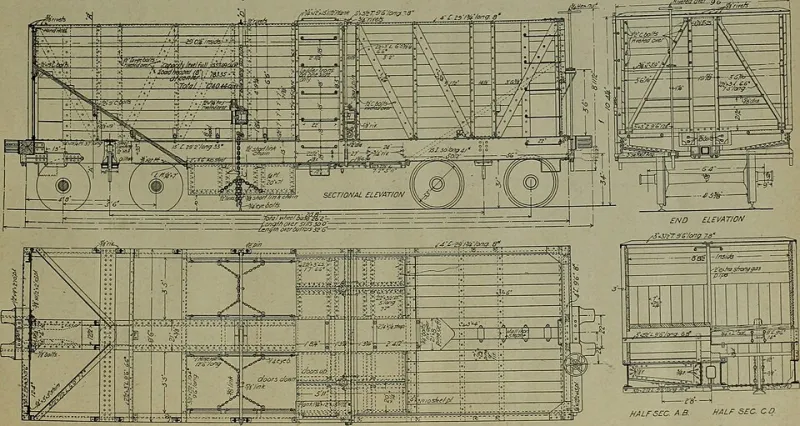
Photo: Internet Archive Book Images, No restrictions, via Wikimedia Commons
There's a particular kind of quiet that falls over a driver's week when the hire firm rings up and says the car has to go in. Not a breakdown, not an accident — a recall. The manufacturer has decided something on your vehicle needs looking at, and suddenly the thing that earns your money is sitting in a queue behind a franchised dealer's 9am rush.
Recalls are one of the least discussed bits of running a private-hire car on someone else's paper. Everyone worries about insurance, licensing, the council's age policy, the odd noise from the front left. Very few drivers ask the recall question at deposit day, and that's precisely when it's cheapest to ask.
The letter goes to the keeper, and that isn't you
Here's the bit that catches people out. A safety recall notice is issued to the registered keeper. On a hired private-hire vehicle, the keeper is the hire company — they're on the V5C, they get the post, they get the manufacturer's emails. You might drive that car for eighteen months and never see a single recall notice with your name on it.
Which means you cannot rely on being told. If the firm is well run, they'll have a system that flags recalls against their fleet and books them in. If the firm is stretched, the letter goes in a tray and the car keeps working.
So the responsibility sits with you to check, and to keep checking. Not because the firm is dodgy — most aren't — but because it's your licence, your insurance and your livelihood moving down the road at 40mph.
Checking before you hand over a deposit
A recall check takes about ninety seconds and it's free. The DVSA runs a recall checker on gov.uk: you put in the registration, it tells you whether there's an outstanding recall on that vehicle. It's not the same as the MOT history service, which won't show recalls at all — a clean MOT is not a clean recall record, and the two get muddled constantly.
Do this on the actual car you're about to hire, using its actual registration, on the day you view it. Then do three more things while you're standing there:
- Ask for the recall status in writing. A short email — "please confirm VRM XXXX has no outstanding recalls and that any future recall work will be carried out at no cost to me" — is worth keeping.
- Ask what happened with previous recalls on the fleet. A firm that can answer fluently has done this before. A firm that goes quiet hasn't.
- Check the manufacturer's own recall tool as well if they have one, because manufacturer and DVSA data occasionally lag each other by a few weeks.
If there's an open recall on the car, that's not automatically a walk-away. It's a negotiating position. Either they get the work done before you take the keys, or the agreement says clearly what happens next.
Who books it, who pays, and who's liable in between
The work itself is almost always free. Recall repairs are funded by the manufacturer and carried out at a franchised dealer — you should never be charged for the fix, and neither should the hire firm. Anyone suggesting otherwise is worth a second look.
What isn't free is everything around it. And this is where the hire agreement does the talking.
Booking. In practice, the keeper usually has to authorise the work, because the dealer wants to deal with the registered owner. Confirm in advance whether you're allowed to book it directly or whether you have to route it through the firm. Getting this wrong can cost you a day of phone tag while the car sits idle.
Payment for the repair. Should be nil. Get it confirmed.
Loss of use. This is the big one. Some recalls are quick — an hour, a software flash, a replacement clip. Others mean the car is off the road for days waiting on a part. Unless your agreement says otherwise, you may well still be paying rent for a vehicle parked in a dealer's yard.
Liability if you keep driving. Some recalls are classed as "do not drive" — the DVSA publishes these and they're serious. Driving a car under a stop-drive notice can affect your insurance cover and, in the worst case, your licence. If you're told not to drive it, don't drive it, and put that instruction in writing back to the hire firm so the timeline is clear.
What to get written into the agreement in 2026
You don't need a legal drafting session. You need three or four lines that a sensible firm won't object to. If they do object, that tells you something.
"During any period the vehicle is off the road for recall or safety-related rectification, hire charges are suspended and no rental is payable for those days."
That's the sentence that matters most. Everything else is admin. Alongside it, worth adding:
- A commitment that recall work will be booked within a set number of working days of notification.
- Confirmation that a replacement vehicle is available, or a clear statement that one isn't — better to know now than at 7am on a Friday.
- Clarification of who covers the driver's travel costs to and from the dealer if the car has to be dropped off.
- An agreement that the hire firm will notify you in writing of any recall affecting your vehicle within a set period of receiving it.
Some firms will offer a credit note on the following week's rent rather than a formal suspension. That's fine, as long as it's documented and dated — a verbal promise on the phone is not a credit note.
The earning-time question nobody wants to answer
Here's the honest bit. If a recall costs you three shifts, you're probably not getting that money back. Recalls sit in a strange gap: the manufacturer pays for the part, the hire firm owns the car, and you own the lost earnings. There's rarely a contractual route from your lost Thursday night to someone else's cheque book.
What you can do is limit the damage. Book the work for your quietest days. Ask the dealer whether they can do it while you wait — plenty will, especially for a quick software update. Ask the hire firm for a loan car in advance rather than on the morning. And keep a simple log: date of notification, who you spoke to, what was agreed, when the car went in, when it came out. If it ever turns into a dispute about rent, that log is your evidence.
The one-line version
Check the recall status on the registration before you sign, get the rent-suspension clause in writing, and never assume the letter will find you — because it's addressed to somebody else.
Crystal Cars — straight-talking advice for UK drivers.