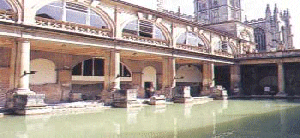
 Bath's story begins somewhere between 800 and 500 BC, when Prince Bladud, apparently cured of leprosy by the hot saline springs, established Bath as his capital. Later, the Romans were fascinated by the hot bubbling spas and built their famous baths around the shrine of the Goddess Sul Minerva. In 1705 Richard "Beau" Nash visited Bath, he became Master of Ceremonies at the spa at Bath and transformed the City.
|
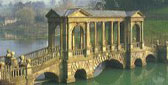
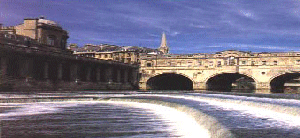 The Pulteney Bridge
The bridge was designed by Robert Adam in 1771. This lovely Florentine bridge is famous throughout the country and carries a broad carriageway with shops on either side. It provides a fine setting, and it is one of the most beautiful sights in the city.
|
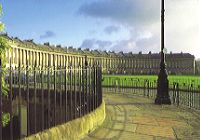 The Royal Crescent
This crescent was built to the designs of John Wood the Younger between 1767 and 1774 and is justly considered one of the finest achievements of urban 18th century architecture and represents the highest point of palladian architecture in Bath.
|
Links with the past
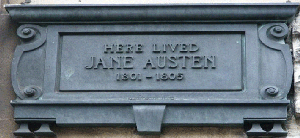
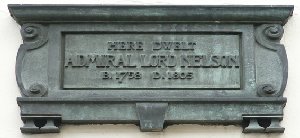
On many of the houses once occupied by notable men and women of the past, has been placed mural tablets, these are bronze records of the many people famous in literature or art, science or the service of the state, who made Bath their home.
|
| LINKS |
| Iron Donkey | Bicycle tours in Ireland, England and Italy |
| Adventure Expeditions | Bath based mountaineering - rock climbing - trekking company |
| Meriblog | Bath graduate Meri Williams` weblog |
| Bath Spa University | Designated a national centre for excellence in teaching and learning |
| University of Bath | Ranked in the top ten of UK universities |
| Bath Shopping | A guide to shopping and Bath services |
| Bizarrebath | A comedy walk around the streets of the city |
| B.A.N.E.S | Bath and North East Somerset Council |
| Thermae Bath Spa | Britain`s only natural thermal spa |
| Holburne Museum | One of the country's great small museums |